7 Signs Your Siding Needs Replacing (Alberta Homes)
Before you call anyone
How to Tell Siding Is Finished, Not Just Tired
Short answer. Siding rarely fails all at once. It gives you a season or two of small signals first — a cracked panel here, a stain under a window there — and the difference between a repair and a re-side is usually how long those signals were left alone.
Cladding is not decoration. It is the layer that keeps wind-driven rain and blowing snow off the wall behind it, and in this climate that wall gets tested from October to May. When siding starts to let go, the visible damage is the last thing to appear, not the first.
So this is not a list of things that look bad. It is a list of things that mean water is either getting in already or is about to. Some of them are obvious from the sidewalk. Two of them you will only notice from inside the house, which is why they are on the list at all.
If you already know the siding is coming off and you are working out what the job involves, the siding overview covers the process end to end. If you are still deciding, keep reading.
Signs 1 to 3
What You Can See From the Driveway
1. Cracks, splits and holes in the panels
A crack is not a cosmetic problem. It is an opening, and everything behind it — the barrier, the sheathing, the framing — was designed on the assumption that the opening is not there. In Calgary and Airdrie the usual cause is hail, followed by impact from a mower or a ladder, followed by age making a panel brittle enough that a cold snap finishes it.
One cracked panel on an otherwise sound wall is a repair, and a straightforward one if the profile and colour are still available. A scatter of cracks across a whole elevation is a different message: that wall took the storm, and the rest of the panels on it took the same hit without breaking yet.
2. Warping, buckling and waviness
Stand at the corner of the house and sight down the wall. It should read as a flat plane with straight shadow lines. If it ripples, bows out between studs, or the courses drift out of parallel, something underneath has moved.
There are three usual explanations, and none of them are good news. The panels were nailed too tight and have nowhere to expand, which cracks fasteners loose over time. Moisture got into the sheathing and it has swelled. Or the wall itself has shifted. Waviness that appeared over one summer is worth looking at before winter.
3. Loose, rattling or missing pieces
Siding that clatters in a chinook has lost its grip on the wall. Once a panel is out of its lock, wind gets behind it and works on its neighbours, and a single loose course at the top of a gable can strip a run in one bad night.
Missing trim counts here too. J-channel, corner posts and window surrounds are what stop water from running behind the field panel. A missing corner is a funnel pointed at the sheathing.
Signs 4 to 5
What You Have to Get Closer to See
4. Staining, streaking and dark patches
Vertical streaks below a window, dark patches near the base of a wall, or green growth on a north elevation all say the same thing: water is sitting somewhere it should be running off. Sometimes the cause is above the siding entirely — a failed flashing, an eavestrough overflowing behind the fascia, a downspout dumping against the wall.
That last one is worth checking before blaming the cladding. If the troughs are the actual problem, the eavestrough work comes first, because new siding under a bad trough gets stained just as fast as old siding did.
5. Soft spots, and anything that gives under a knuckle
Press firmly on the wall in a few places, especially below windows, at the base of walls and on the weather side of the house. It should feel solid. If it feels spongy, or the panel flexes further than it should, the sheathing behind it is likely wet.
This is the sign that changes the answer from repair to replace more often than any other. Rot does not stay in one place and it does not dry out on its own inside a closed wall. By the time it is soft enough to feel through the cladding, it has been wet for a long time.
The same test applies to the eaves. If the fascia flexes when a ladder leans on it, the soffit and fascia are part of this job whether or not they were part of the plan.
Signs 6 to 7
The Two You Notice From Inside
6. Heating bills that climbed with no other explanation
Siding is not insulation. But the assembly it belongs to — barrier, sheathing, whatever insulation sits behind them — depends on being kept dry and being kept sealed. Wet insulation stops working, and gaps behind failing cladding let wind move through the cavity.
If the furnace is running longer than it did two winters ago, the windows are the same and nothing else has changed, the walls are worth a look. This will never be the only sign, but it is often the one that finally makes somebody phone.
7. Wasps, birds and things living in the wall
Anything nesting behind the cladding got in through a gap, and it is telling you exactly where the gap is. Birds under the eaves usually mean a soffit panel has come loose. Wasps behind a corner post mean the post is open at the bottom or the top.
The nest itself is a nuisance. The opening is the problem, because the same opening is available to water, and water does not wait for spring.
Repair or replace
What We Actually Look At When We Get There
One or two signs on one elevation usually means a repair and a look at whatever caused it. Several signs spread across the house, or any sign that involves soft sheathing, points at a re-side. Here is the difference in plain terms.
POINTS TOWARD A REPAIR
- Damage confined to one elevation, usually the one that faced the storm.
- The wall feels solid everywhere you press it.
- The profile and colour are still available, so a patch will not look like a patch.
- A single identifiable cause, such as one impact or one failed downspout.
- Trim and corners are intact and still locked in.
- The rest of the house looks the way it did five years ago.
POINTS TOWARD A FULL RE-SIDE
- Soft sheathing anywhere. Rot found in one spot is rarely the only spot, and it cannot be assessed without opening the wall.
- Cracking on more than one elevation. The panels have reached the point where handling them creates new damage.
- Waviness along whole walls. Something structural or something wet is behind it, and new panels over it will ripple too.
- Colour or profile no longer made. A repair that does not match is a repair you look at every day.
- Staining that returns after cleaning. The water path is still open.
- The eaves are failing at the same time. If soffit, fascia and troughs are all due, doing them with the siding means paying for access once.
We look under a corner before we say anything. That is the only way to answer the question honestly, and it costs you nothing.
What comes next
If It Is Time, Here Is What Actually Happens
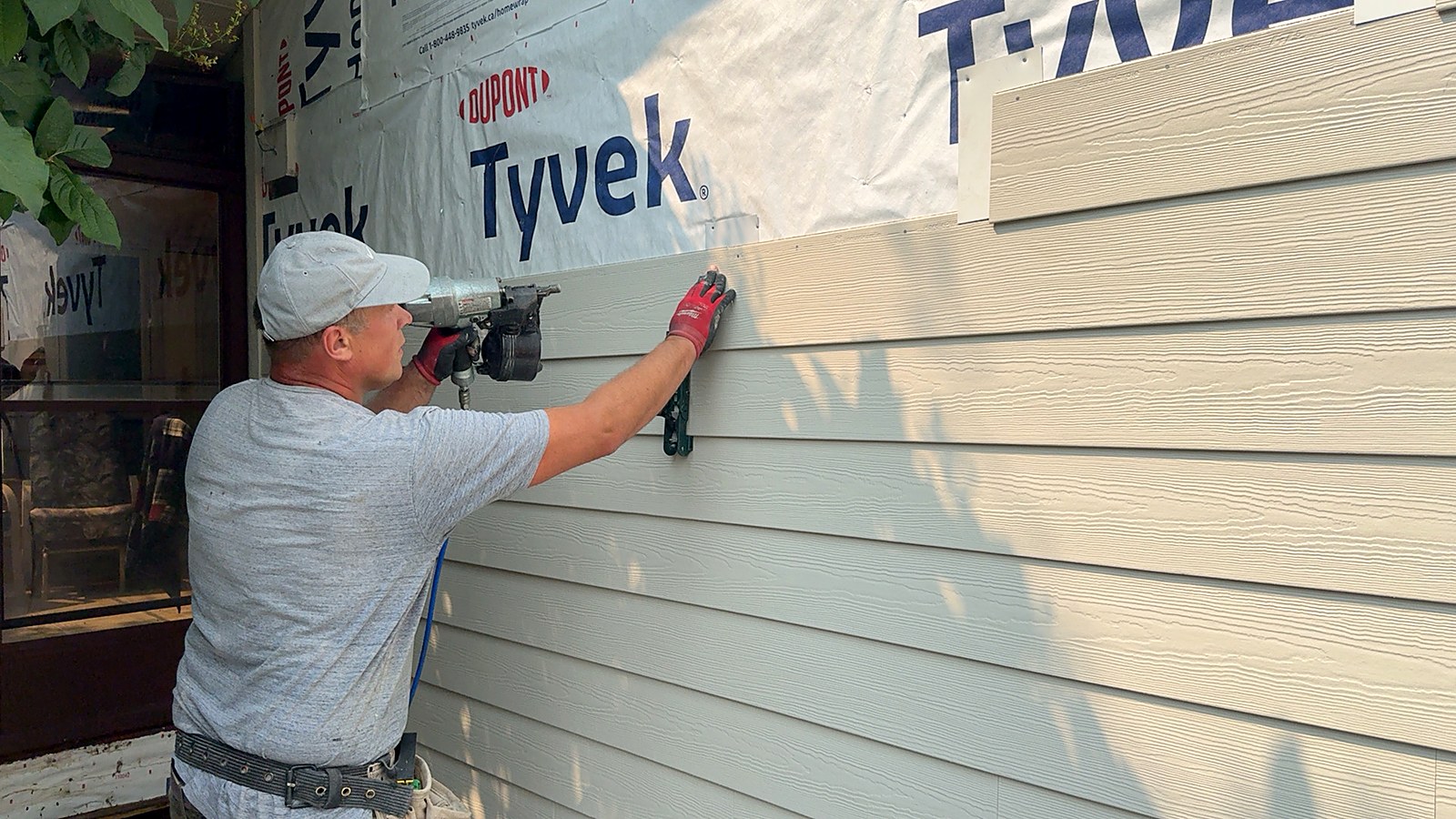
A re-side is not a mystery. The old cladding comes off, the sheathing gets inspected and repaired where it needs it, a weather barrier goes on and gets flashed properly at every window and door, and the new material goes over the top of a wall that somebody has actually looked at.
The choice of material is the part most people focus on, and it matters less than the layers underneath. Vinyl is quick, comes in a wide range of profiles, needs no painting, and covers a whole envelope for less disruption. Fibre cement is heavier, harder to hit hard enough to matter, and holds a thicker shadow line. We install Gentek, Mitten and Royal on the vinyl side, and the honest recommendation depends on the elevation, the exposure and what you want the house to look like in ten years.
If the budget is the open question, the same breakdown logic applies to both materials — we set out the fibre cement version in what James Hardie siding costs in Calgary, and the same line items apply to a vinyl quote.
Questions we get
Siding Replacement: Straight Answers
How do I know if my siding needs replacing or just repairing?
The dividing line is usually the wall behind the cladding. Damage on one elevation with a solid wall under it is a repair. Soft sheathing, waviness along whole walls, or cracking on several elevations points at a re-side. Pressing on the wall in a few places tells you more than looking at it does.
Is a cracked vinyl panel actually a problem?
Yes, because it is an opening. The layers behind the siding were designed on the assumption that water runs off the outside. A single crack is a cheap fix today and a sheathing repair in two years.
What does warped or buckled siding mean?
Usually one of three things: panels nailed too tight so they cannot expand and contract, sheathing that has swelled because it is wet, or movement in the wall itself. All three are worth looking at before winter, because none of them improve on their own.
There are stains under my windows. Is that the siding?
Not necessarily. Streaking below a window often points at flashing or at an eavestrough overflowing behind the fascia. Finding the water path matters more than cleaning the stain, because new siding under the same path stains just as fast.
Wasps keep getting behind my siding. Does that mean anything?
It means there is a gap, and it tells you roughly where. The nest is the nuisance; the opening is the problem, because water uses the same route and does far more damage.
Can failing siding raise my heating bill?
Indirectly, yes. Siding is not insulation, but wet insulation stops insulating and gaps behind failing cladding let wind move through the wall cavity. It is never the only sign, and it should never be the only reason to re-side.
Can I replace just one wall?
Sometimes, and we will say so if that is the honest answer. The catch is matching: if the profile or the colour is no longer made, a single new wall will read as new next to three old ones. On a house where the rest is close to done, doing one wall now often just moves the cost a season.
What happens if I wait another year?
If the walls are solid and the damage is cosmetic, usually nothing. If anything felt soft when you pressed on it, waiting means a bigger sheathing repair rather than a smaller one, because the wall stays wet through every freeze-thaw cycle between now and then.
From the blog
More guides for Calgary homeowners
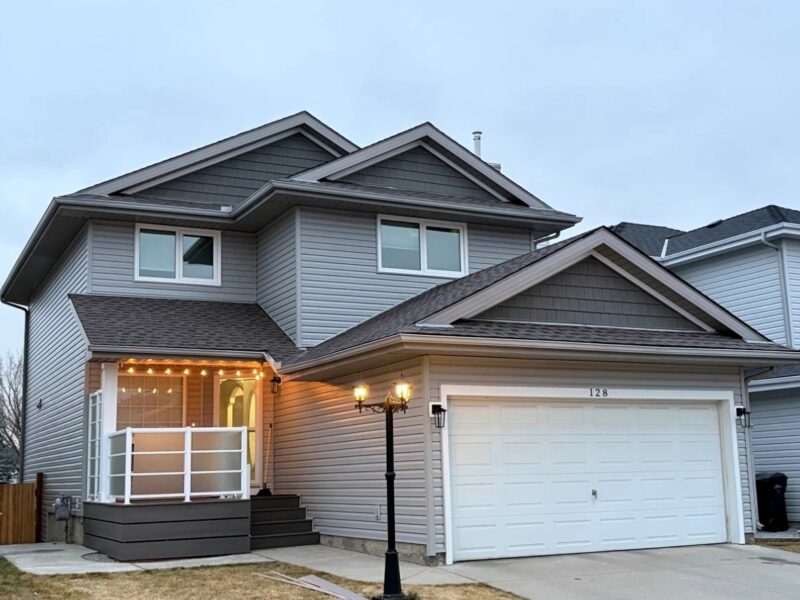
What Vinyl Siding Costs in Calgary and Airdrie
Vinyl siding is priced by the square foot of wall, installed. Here is every line that belongs in a quote, what moves…
Read article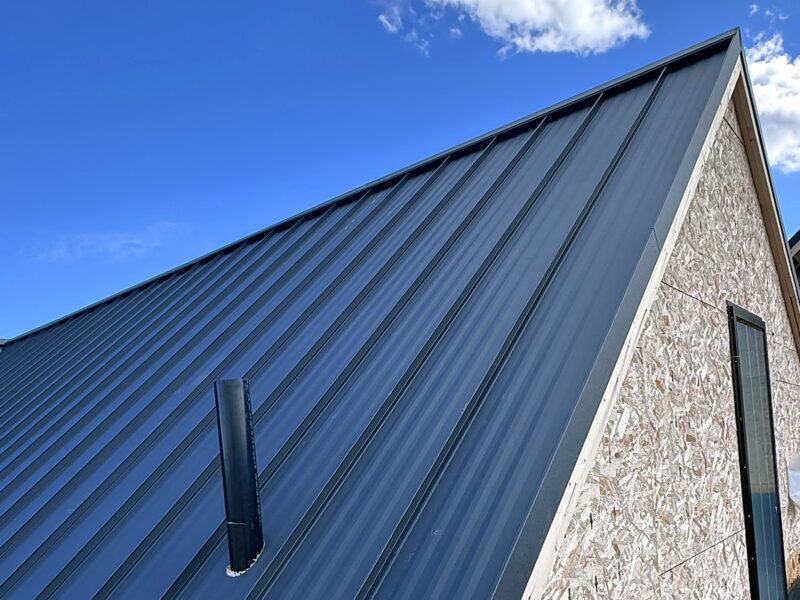
Is Metal Roofing Really Hail-Resistant? What Alberta Homeowners Should Know
Metal roofs resist hail better than shingles, but they can dent. What Alberta hail actually does to metal and what UL 2218…
Read article
7 Signs Your Soffit and Fascia Need Replacing (Alberta Homes)
Peeling paint, soft boards, sagging, birds and ice dams: seven signs Alberta soffit and fascia are done, and what replacement involves.
Read article